The requirements for manufacturing medical cannulas have been increasing for years: higher precision, more robust processes, more complex geometries, and rising cost pressure. Manufacturers are looking for solutions that combine reproducible quality with high production flexibility.
As a German manufacturer of high‑quality medical single‑use products, sfm medical devices GmbH, together with its internal and external partners, has been developing fully automated grinding processes for decades—systems that today rank among the most advanced technologies in the industry.
Why Fully Automated Grinding Is Becoming Essential for Cannula Manufacturing
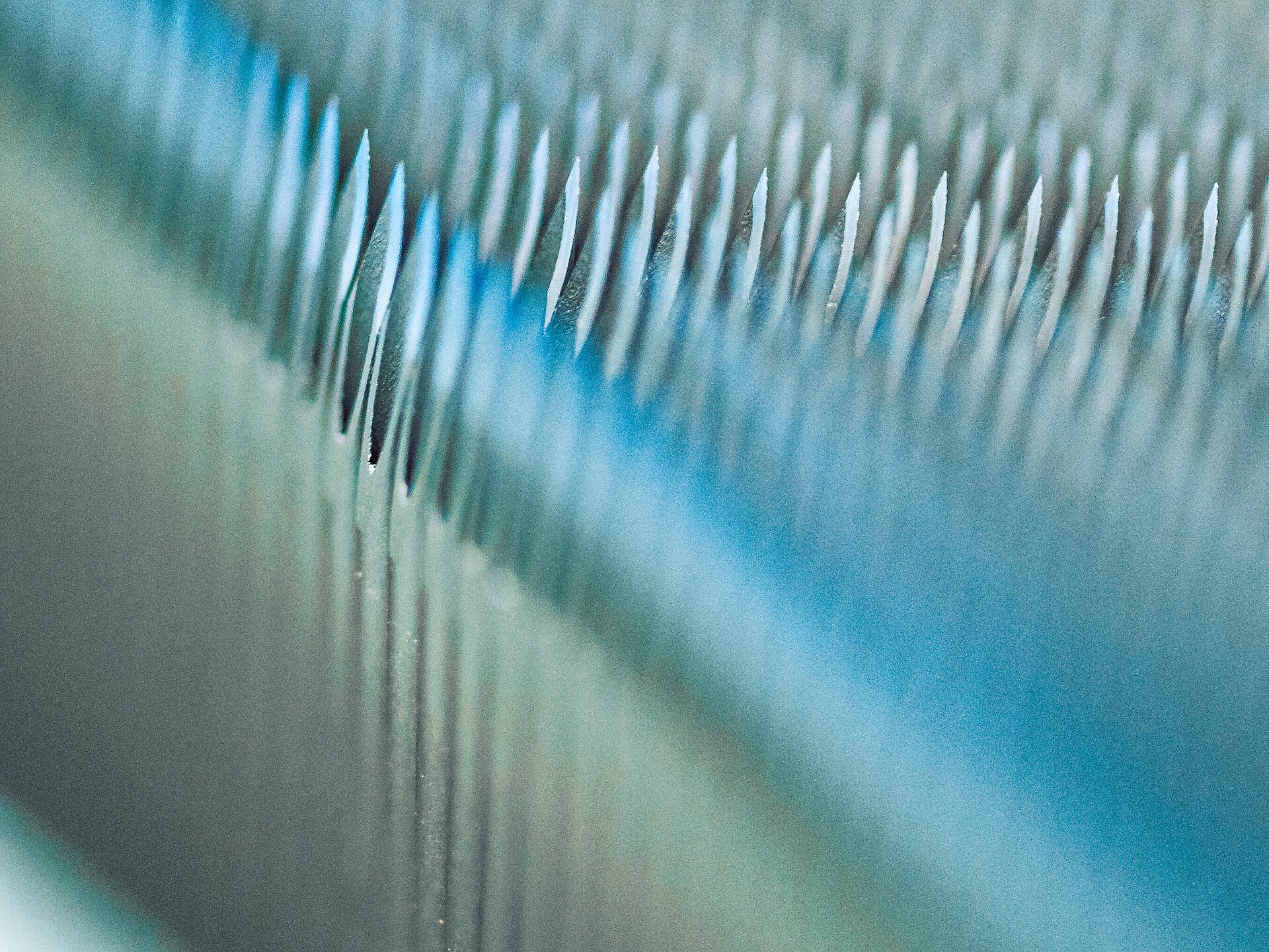
The bevel of a cannula determines penetration characteristics, application safety, and patient comfort. At the same time, tip geometries must be reproduced with micrometer‑level accuracy across millions of units.
Automated grinding machines enable:
consistent precision, even with complex tip geometries
minimized tolerances
reduced scrap rates
stable validation and requalification cycles
cost‑efficient production, even for small batches
Milestones: Decades of Expertise at sfm
Development of fully automated grinding technology at sfm began as early as 2012. After installation and validation of the first machine generation in 2014, serial production ramped up shortly thereafter.
A second‑generation system followed in 2022, with full‑scale production beginning in 2023.
These development phases have significantly shaped sfm:
continuous expansion of automation depth
transformation of manual steps into a fully validatable system
industrialization of complex cannula tip geometries
optimization of throughput times and production capacity
Today, sfm is one of the few manufacturers worldwide operating fully integrated grinding processes on an industrial scale.
Technological Process Integration: All Steps in One System
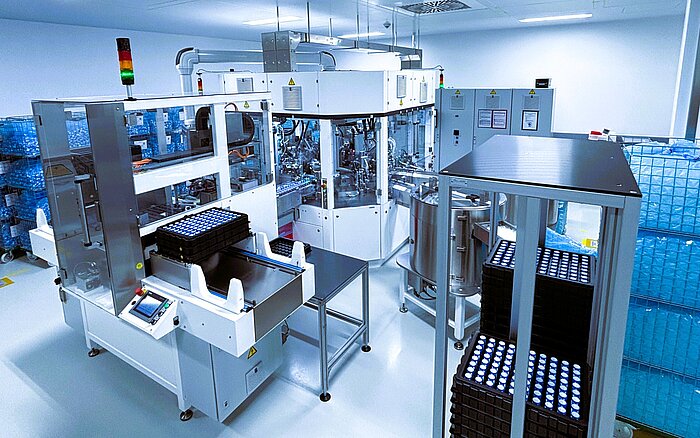
The machines combine all production steps into one seamless, enclosed automation concept:
separation of cut sections
grinding of the cannula tip
precise deburring of the bevel heel
electropolishing
pre‑cleaning
surface roughening of the cannula (2nd generation)
This full process integration provides a decisive advantage:
Every step is performed under consistent parameters and extremely tight tolerances—without manual transfer points and without additional sources of error.
The equipment supports both fully automated and semi‑automated operation. Small batch sizes of just a few thousand units can be produced as economically as high‑volume quantities of up to 50 million cannulas per machine per year.
Manufacturing Range & Precision Requirements
The grinding systems are designed for:
diameters from 0.3 mm to 5.6 mm
lengths from 18 mm to 250 mm
a wide variety of grind geometries
customer‑specific specialized solutions
Our customers, with their wide range of cannula types and applications, benefit from the high reproducibility and quality this manufacturing range delivers.
USP: What Makes sfm Technologically Unique
1. Complete Process Integration
Every production step is automated, standardized, and fully validatable.
2. Ultra‑tight tolerances through intelligent control and measurement technology
Stable quality even for demanding geometries and micro‑grinds.
3. High Flexibility
Small to large batch sizes, fast changeovers, semi‑ or fully automated operation.
4. Certified European Manufacturing Site (ISO 13485)
A key advantage for regulatory compliance and quality assurance.
5. Close Development Partnerships
Cannula designs, tip geometries, and manufacturing processes are jointly industrialized with customers.
Future Outlook: Where Fully Automated Cannula Grinding Is Headed
Demand for high‑precision cannulas continues to grow—driven by:
micro‑invasive procedures
personalized therapies
increased requirements for guided injections
miniaturized drug‑delivery systems
Fully automated, system‑driven grinding technologies are therefore increasingly becoming a hallmark of high‑quality medical manufacturing.
sfm continues to invest in innovative production processes that will integrate even more precise inline measurement methods, data‑driven process control, and additional automation steps.
Conclusion: Fully Automated Cannula Grinding as a Competitive Advantage
Through many years of development work, comprehensive process integration, and manufacturing based on international standards, sfm medical devices has established a clear technological advantage in cannula production.
Our customers benefit from maximum precision, fully validatable processes, and cost‑efficient serial manufacturing—even for complex specialty cannulas.
If you would like to learn more about our fully automated cannula manufacturing technology or need support in industrializing your cannula designs, our engineering team will be happy to assist you.